
Bold City Roofing & Solar
Tile Roofing
Roofing material guide / 03
Tile Roofing in Florida
A distinctive, long-lasting roof system for homes designed to carry its weight.
- Typical fit
- Homes with suitable structure and Mediterranean or coastal styling
- Typical lifespan
- Tile can last 50+ years; underlayment may need earlier renewal
Tile roofing is more than its recognizable profile. Clay and concrete tiles provide the visible surface, while the underlayment beneath does much of the waterproofing. Both layers need to be considered when planning a new installation or evaluating an older roof.
Clay or concrete?
Clay tile is prized for its color and classic character, while concrete tile offers a wide choice of profiles and finishes. Weight, availability, color consistency, and the home's structure can influence which is appropriate.
Before changing from a lighter roofing material to tile, the building's load capacity should be evaluated. The roof pitch, attachment method, and local wind requirements matter as much as the tile itself.
The waterproofing layer
Tiles shed water, but they are not the sole waterproof barrier. Underlayment, flashing, and properly detailed valleys and penetrations are essential. On older tile roofs, leaks sometimes signal failing underlayment even when the tiles still look sound.
Depending on their condition, existing tiles may sometimes be lifted and reset over new underlayment. Breakage, availability of matching tile, and the roof's condition determine whether that approach makes sense.
Durability and repairs
Tile resists rot and fire and can have a long service life, but individual pieces can crack from impact or improper foot traffic. Repairs should address the underlayment and flashing beneath a broken tile, not simply replace what is visible from the ground.
Why homeowners choose it
- Long-lived material when properly maintained
- Distinctive architectural character
- Fire and insect resistance
- Individual damaged tiles may be replaceable
Things to weigh
- Heavy; structure must be suitable
- Underlayment can age before the tile
- Tiles can crack under impact or foot traffic
Care & maintenance
Inspect for displaced or broken tiles, blocked valleys, and failing flashings. Keep gutters clear and let qualified roofers handle roof access; walking in the wrong place can break tiles.
Common questions
Does a cracked tile always mean a leak?
Not necessarily, but the underlying waterproofing may be exposed. Have it inspected and repaired before repeated rain causes damage.
Can I switch from shingles to tile?
Possibly, but the structure must be checked for the added weight, and the assembly must meet local requirements. A site assessment is the right first step.
From our crews
Our Tile Roofing Projects
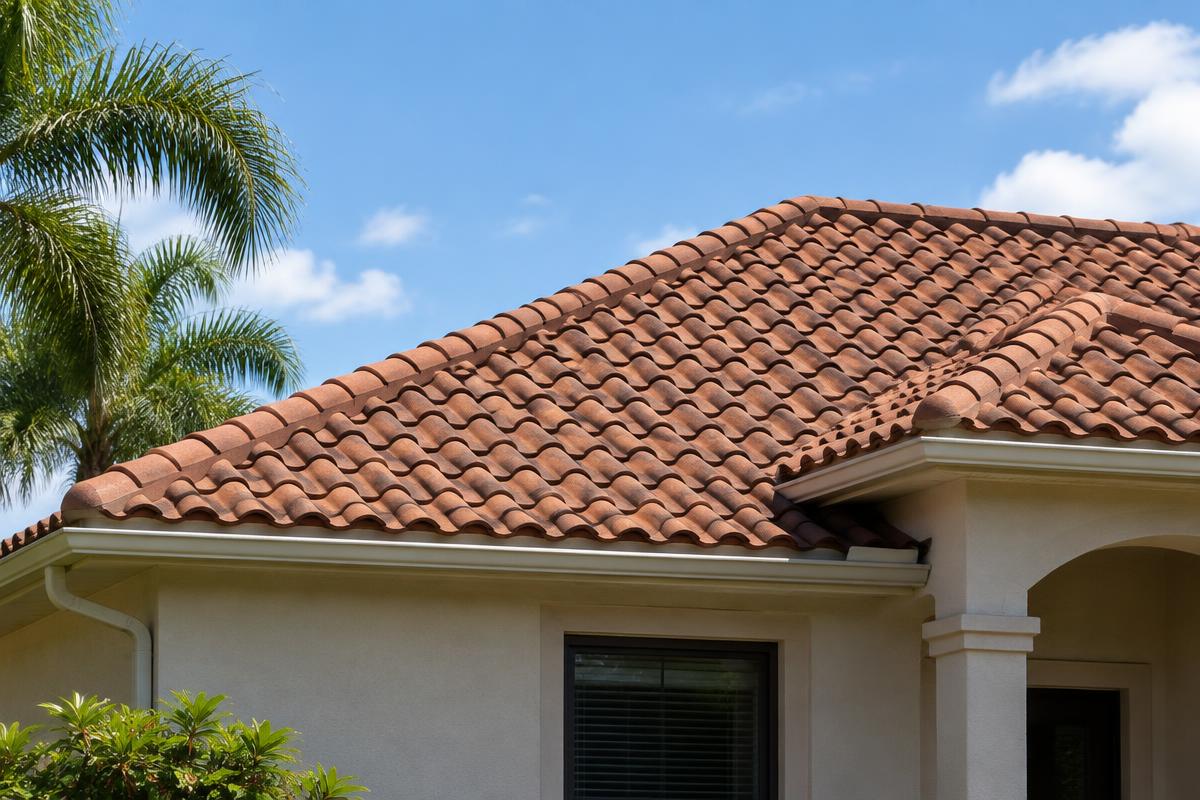
Project photos for this roof type will appear here when available. The image above is an illustration, not one of our jobs.